
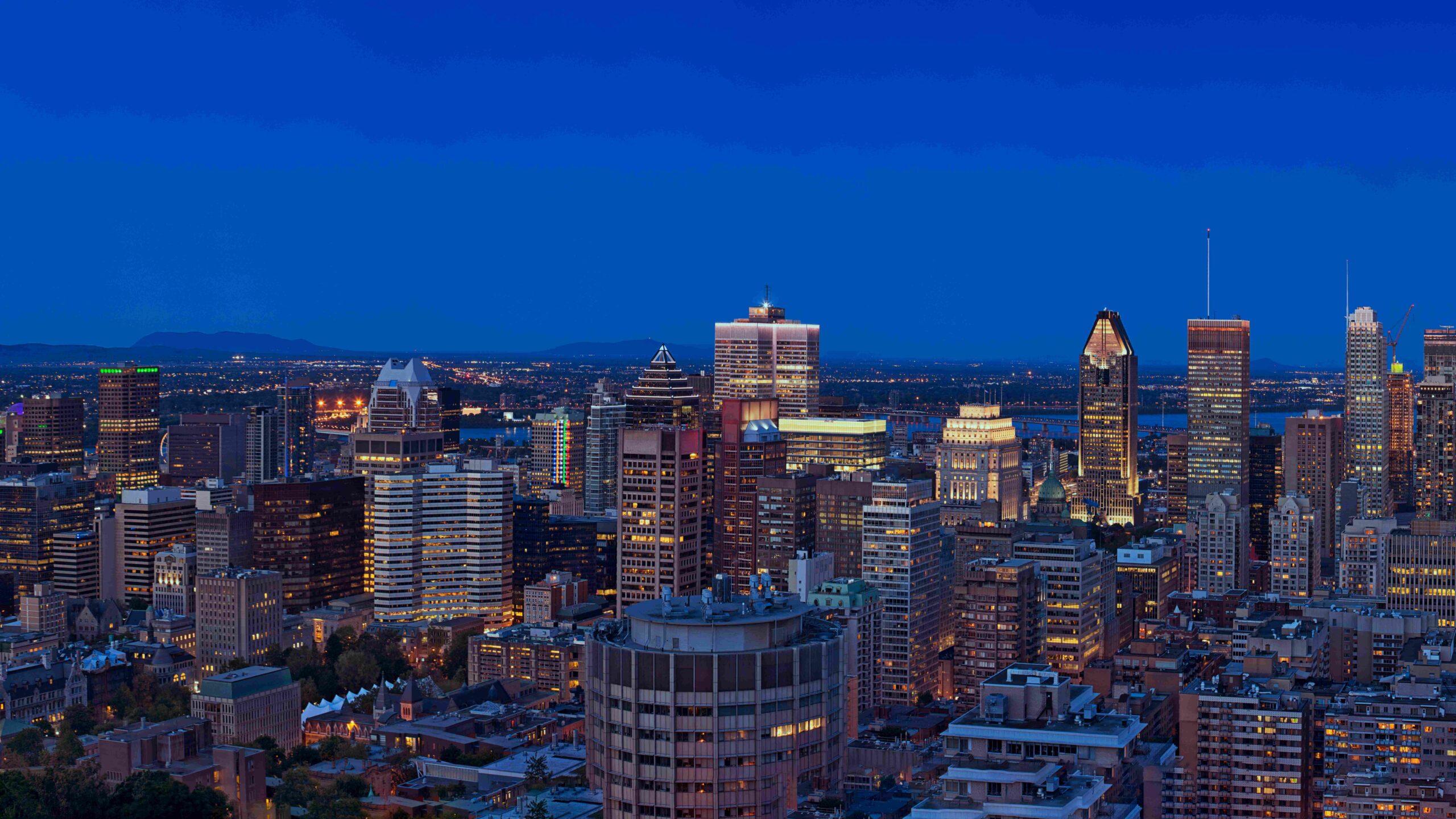
Located on the south shore of Montreal Island, La Salle borough has a long history connected with trade, transportation, and settlement. The area known today as La Salle borough developed from an early colonial community and later became an important suburb before joining the city of Montreal in 2002. Its position near the St. Lawrence River shaped many events that influenced local growth.
Early History of La Salle Borough
The story of La Salle borough began in 1668. During that year, René–Robert Cavelier, sieur de La Salle, established a fortified settlement in the area. The first community was known as Saint–Sulpice. Later, the settlement became known as La Petite Chine, which eventually gave rise to the name Lachine.
Life in the early settlement was not easy. In 1689, the community faced a major attack during an Iroquois raid. The settlement survived this violent event and continued to grow. Because of its location along important travel routes, the area gradually became a center for trade and movement of goods.
Several natural features influenced development. The nearby Lachine Rapids made river travel difficult. At the same time, these rapids encouraged future engineering projects that would change the region.
Important Early Features
- Settlement established in 1668
- Connection with René–Robert Cavelier, sieur de La Salle
- Survival of the 1689 attack
- Growth as a local trade junction
- Strategic location near the St. Lawrence River
La Salle Borough and Transportation Development
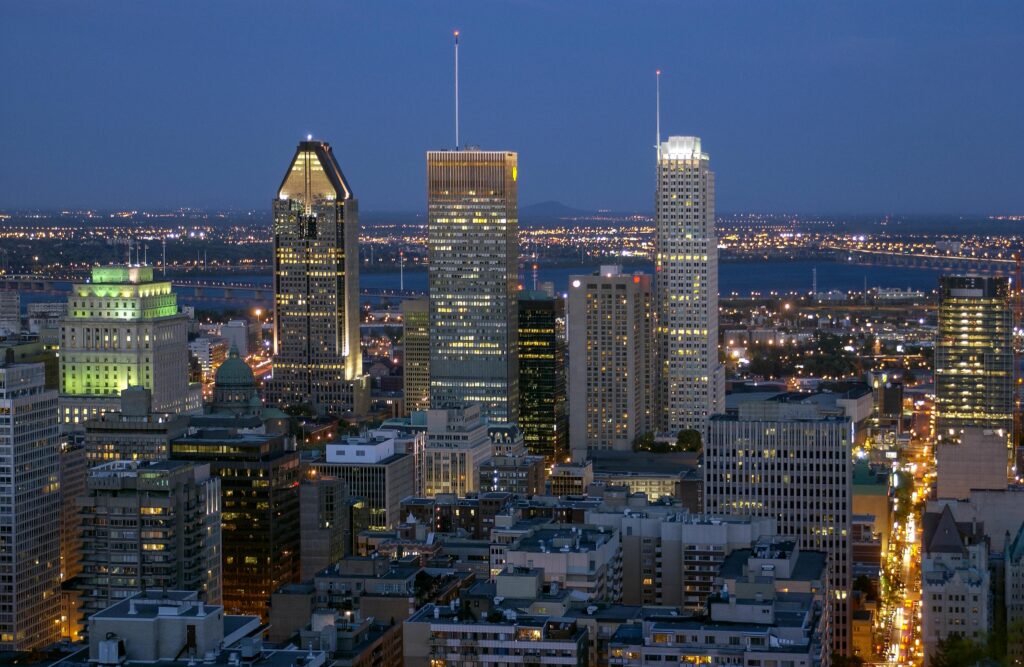
Transportation played a major role in the history of La Salle borough. During the 1820s, the Lachine Canal was completed. The waterway stretched about 14 kilometers and allowed ships to bypass the dangerous Lachine Rapids.
The canal improved trade opportunities and helped support economic activity in surrounding communities. Goods could move more easily between different parts of the region. Businesses and industries benefited from better transportation connections.
Another important project arrived during the 1850s. The Montreal Aqueduct was built through the area from Lac Saint–Louis. The aqueduct supplied water to the growing city located to the north. This engineering work became an important part of regional infrastructure.
These transportation projects changed the local landscape. New economic opportunities appeared, and population growth slowly increased around the area.
Growth of Infrastructure
- Construction of the Lachine Canal in the 1820s.
- Improvement of shipping routes around the rapids.
- Development of local trade activity.
- Construction of the Montreal Aqueduct in the 1850s.
- Expansion of regional transportation networks.
Changes in Name and Municipal Status
The modern name of La Salle borough appeared in 1912. During this period, a group of residents moved to the present–day site of Lachine and carried the Lachine name with them. As a result, the older community adopted the name La Salle in honor of its founder.
After this change, La Salle became an independent city. During the twentieth century, Montreal expanded rapidly. Residential neighborhoods spread outward from the urban center and reached nearby municipalities.
Following World War II, population growth accelerated. New housing developments appeared across the region. In 1959, La Salle joined the Montreal Metropolitan Corporation. This step reflected its increasing connection with the larger metropolitan area.
For many years, the community functioned mainly as a residential suburb. Residents often worked in Montreal while living in quieter neighborhoods within La Salle.
A major administrative change happened in 2002. During municipal restructuring in Quebec, La Salle was incorporated into Montreal and became one of the city’s boroughs. Today it remains an important part of the urban landscape.
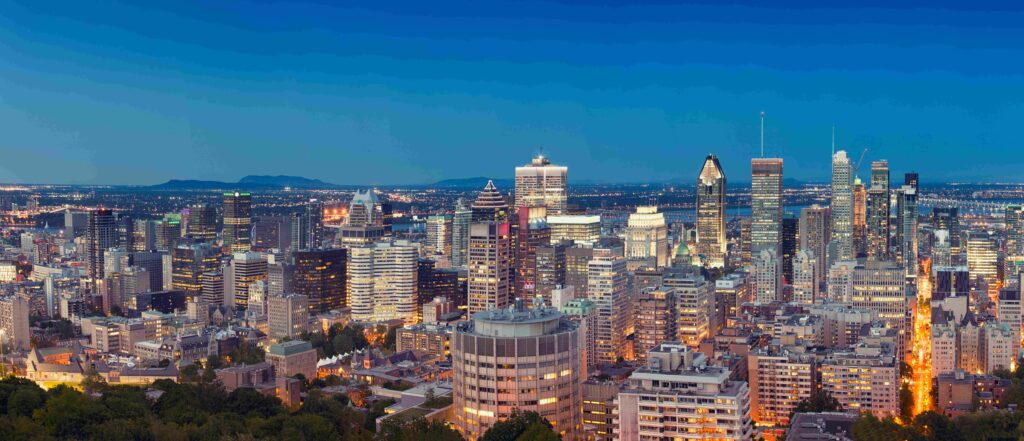
Industry, Landmarks, and Modern Importance
Economic activity in La Salle borough includes different manufacturing sectors. Over time, local factories produced goods such as building materials, plastics, chemicals, pharmaceuticals, fabricated steel products, packaging materials, and heating equipment.
One of the best–known landmarks is the Fleming Mill. This four–story conical windmill was built in 1816 and remains a visible reminder of the area’s earlier history. The structure reflects the agricultural and industrial traditions that shaped local development.
Another important feature is the Honoré–Mercier Bridge. The bridge connects La Salle borough with the Kahnawake Mohawk Reserve on the south side of the St. Lawrence River. This connection supports transportation between communities and regions.
The bridge also became widely known during the 1990 Oka Crisis. At that time, Mohawk groups organized blockades connected with a dispute over land development near Oka. The events drew national attention and highlighted important questions involving Indigenous rights and land protection.