
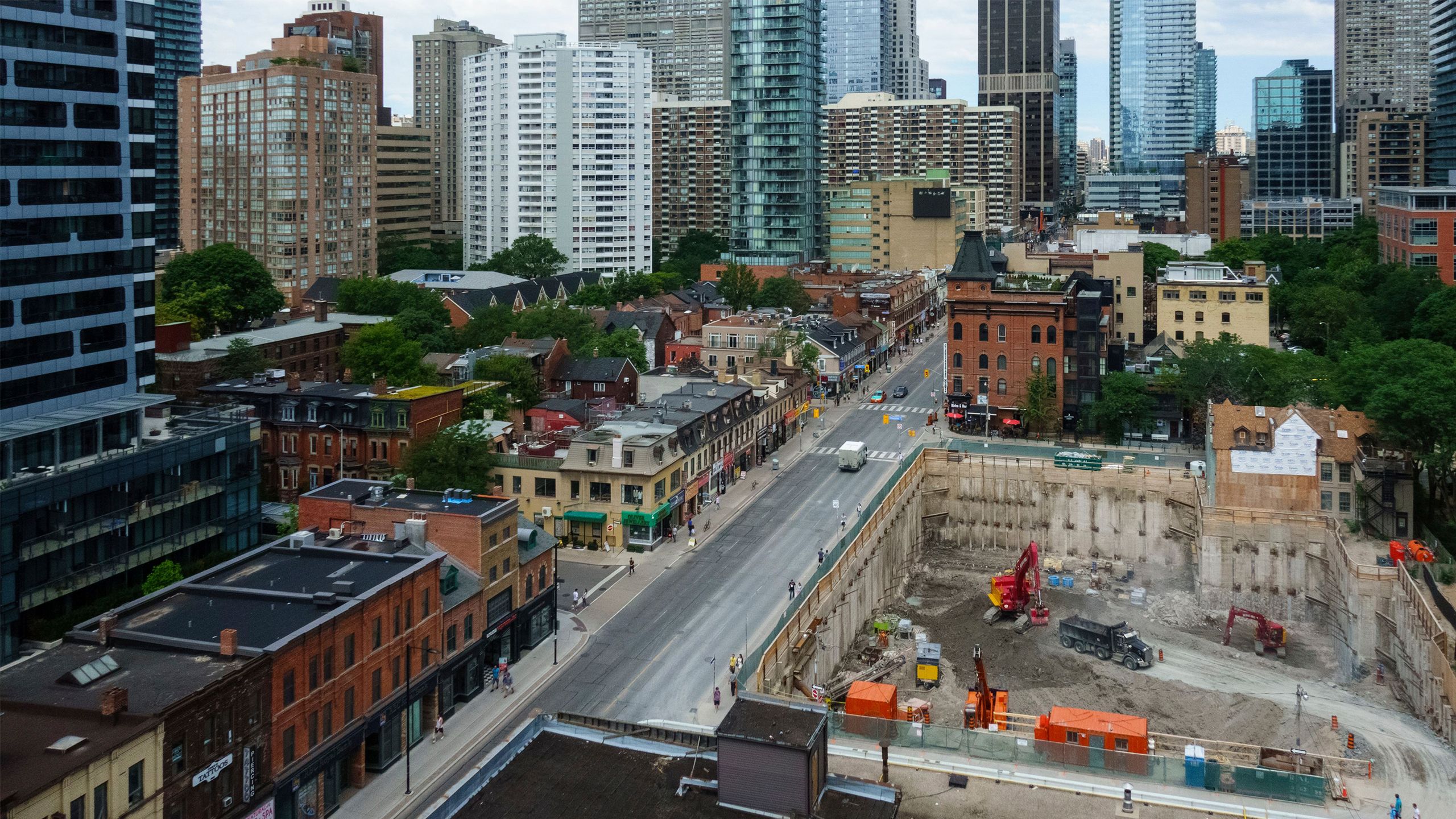
Travel between Montreal and Lachine was not always simple. The solution to the transportation problem that had plagued the people for many years was a practical one on Upper Lachine Road. Built on higher ground, this route offered a safer connection between communities when flooding made travel along the shoreline difficult. The road was crucial for the movement and development of the region.
Early Transportation Between Montreal and Lachine
In the colonial period, roads were crucial for communication, trade and travel. One of the most important routes was connecting Montreal and Lachine. This road followed the shoreline and gave access to settlements along the St. Lawrence River.
The route was useful but had many challenges. The land beside the river was low and frequently flooded in the seasons. Every spring the road was partly covered by the rising water from melting ice. Travel was sometimes made very difficult, or even impossible.
Often people moving goods between communities experienced delays. Farmers, traders and travelers needed reliable routes of transportation, but weather conditions often created problems. The region’s growing population created a greater need for a more dependable solution.
The problems of the shoreline road exposed the shortcomings of early transportation infrastructure. Communities needed an alternative route that could be reached during different seasons.
Main Problems of the Original Road
- Flooding during spring months
- Rising water from melting ice
- Travel interruptions
- Difficult transportation of goods
- Limited access during severe weather
Why Upper Lachine Road Was Built
The creation of Upper Lachine Road was largely connected with geography. Since the shoreline route experienced regular flooding, planners looked for higher ground where travel could continue even when river levels increased.
A second road was eventually established along Côte Saint–Pierre. This route stood above areas most affected by seasonal flooding. Because of its elevated position, it offered greater reliability throughout the year.
The new route became known as Upper Lachine Road. The older shoreline route received the name Lower Lachine Road. These names reflected the physical differences between the two roads rather than their importance.
Upper Lachine Road quickly became valuable for people who needed a dependable connection between settlements. Travelers could avoid many of the seasonal problems associated with the lower route.
Upper Lachine Road and Regional Development
Transportation routes often influence settlement patterns. Upper Lachine Road was no exception. As travel became easier, movement between Montreal and surrounding communities improved.
Reliable roads enabled economic activity. Farmers could get their products to market with less disruption. Merchants had a better access to suppliers and customers. Communications between settlements became more regular.
Several factors increased the value of Upper Lachine Road over time. Population growth, commercial expansion, and agricultural development all created greater demand for transportation infrastructure.
Effects of the New Route
- Improved year–round travel.
- Reduced impact of seasonal flooding.
- Better movement of agricultural products.
- Stronger connections between communities.
- Increased reliability for trade activities.
The road became part of a broader transportation network that supported regional growth. Even before modern highways appeared, roads like this played an important role in daily life.
Legacy of Upper Lachine Road
Modern transportation systems dominate movement across the Montreal region today. Roads, bridges, railways and public transit offer connections that previous generations could barely imagine. Nevertheless, the history of Upper Lachine Road is important.
The communities adapted to local environmental conditions along the route. Instead of accepting the frequent flooding interruptions, residents came up with a practical solution regarding the terrain. By using higher ground, transportation could keep moving when the lower areas flooded.