
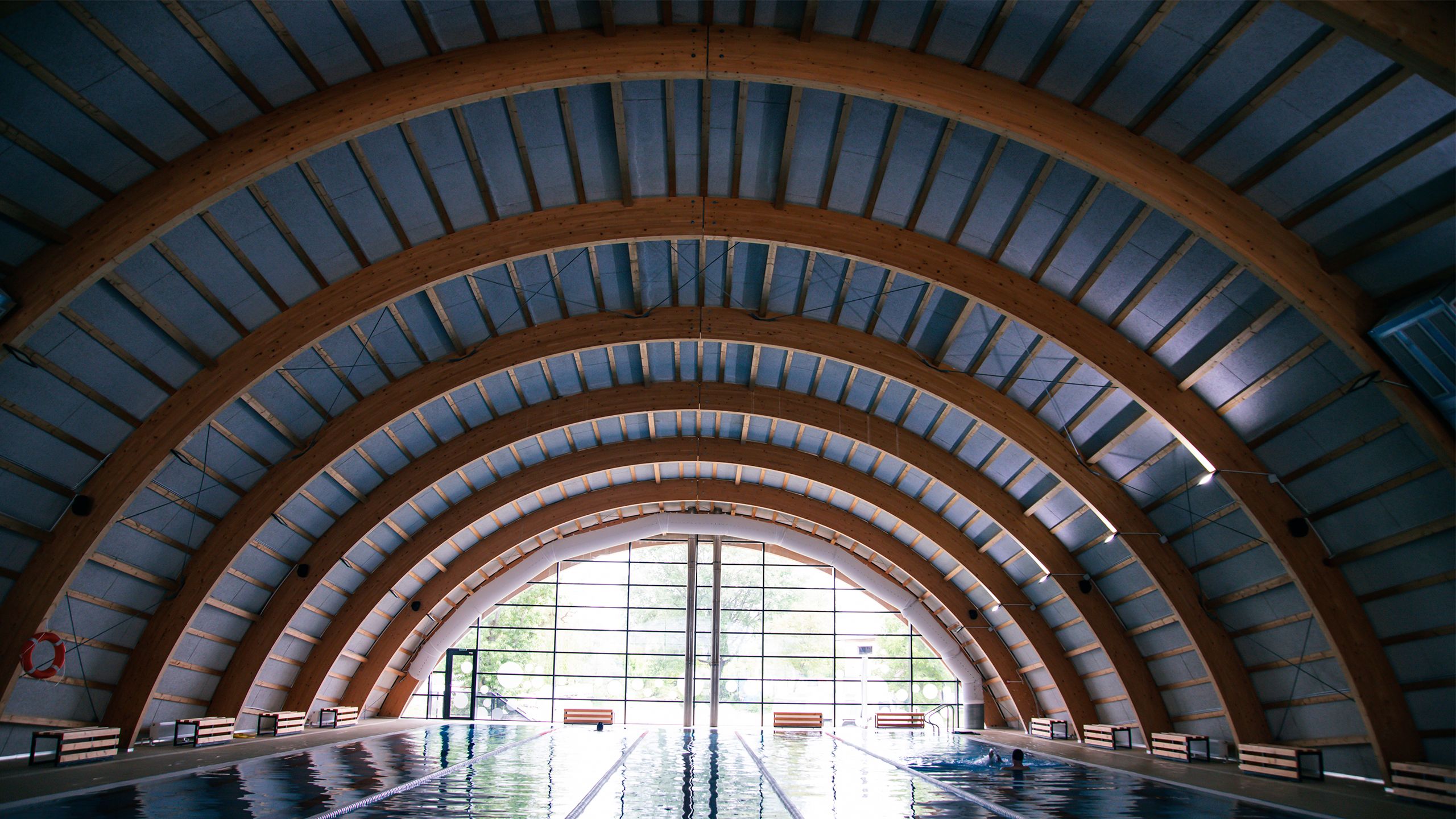
The Natatorium Art Deco building is one of the notable recreational structures connected with Montreal’s waterfront history. Designed in the distinctive Art Deco style, the facility combined architecture, leisure, and public swimming in a single location. Over the decades, the building experienced several changes, yet it continues to represent an important chapter in the development of public recreation.
Origins of the Natatorium Art Deco Building
When the Natatorium opened, it was considered a modern facility for its time. Public swimming was becoming increasingly popular, and communities were investing in spaces where residents could enjoy sports and leisure activities.
The building was designed in the Art Deco style an architectural movement known for geometric forms, decorative details, and strong visual lines. During the early twentieth century, Art Deco architecture appeared in many public buildings around the world. The Natatorium became one local example of this trend.
The facility was created to accommodate a large number of visitors. At its peak, the complex could welcome as many as 1,150 swimmers at the same time. Such capacity made it one of the most significant recreational swimming locations in the area.
Beyond its practical purpose the structure also reflected changing attitudes toward public health and outdoor activities. Swimming was increasingly viewed as both a healthy exercise and a popular social activity.
Main Features of the Original Facility
- Art Deco architectural design.
- Capacity for 1,150 swimmers.
- Separate swimming pool.
- Dedicated diving pool.
- Rooftop refreshment area.
Swimming and Social Life at the Natatorium
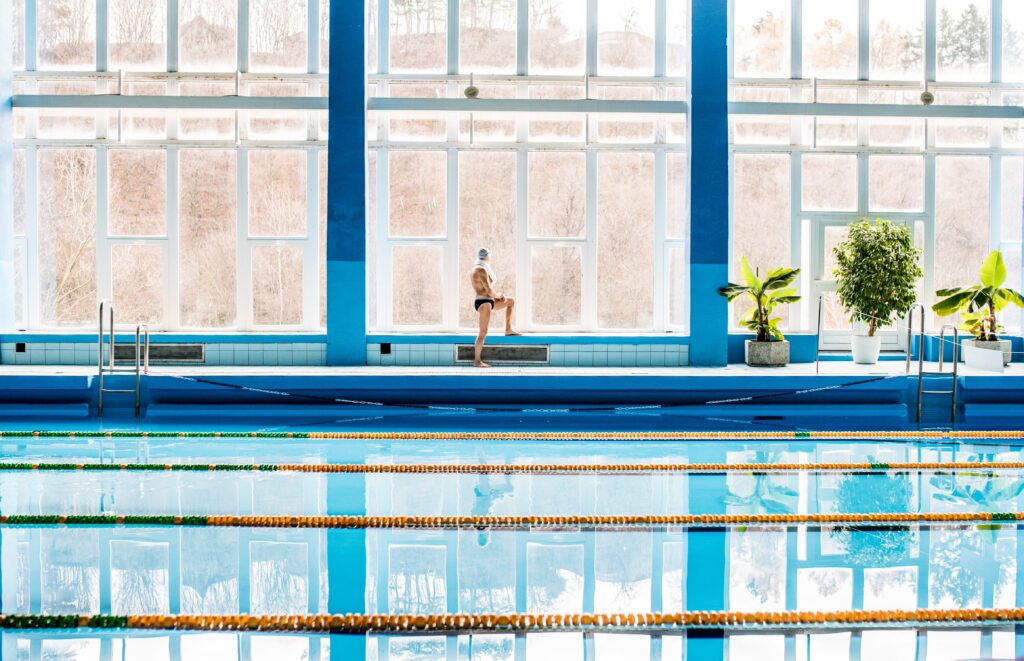
Swimming facilities often become social gathering places, and the Natatorium was no exception. During its early years, the building attracted large crowds during warm weather.
One of the most popular sections was the rooftop terrace. Visitors could relax between swimming sessions while enjoying open views of the surrounding area. Hundreds of people often gathered there during busy days.
A refreshment area on the roof offered food and drinks for swimmers and visitors. Such amenities were relatively modern for public swimming facilities at the time. They transformed the Natatorium into more than a sports venue. It also became a place for social interaction and recreation.
The swimming complex included two separate pools. One was intended primarily for general swimming activities. The second pool was built for diving and featured five diving boards.
This arrangement allowed different activities to take place at the same time. Swimmers could use one area while diving enthusiasts practiced in another section of the facility.
Changes to the Natatorium Over Time
As safety standards evolved, many older recreational facilities required modifications. The Natatorium experienced several important changes intended to meet modern regulations.
The diving pool was eventually demolished. Safety requirements had changed significantly since the original construction of the facility and the diving area no longer complied with current standards.
The rooftop terrace also changed over time. While it once attracted large crowds, public access to the terrace was later closed. Even though visitors can no longer use the terrace as they did in the past, part of the social atmosphere remains through the restaurant that still operates at the site.
Modern Facilities and Continuing Role
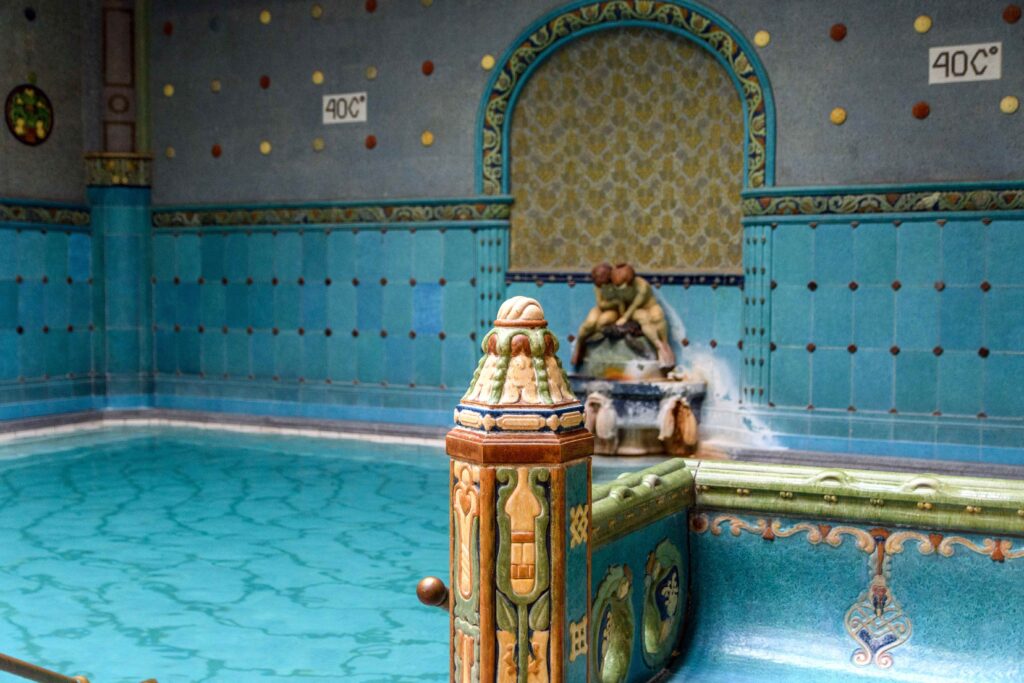
Today the Natatorium is still in use for recreation. One of the most significant additions was made in 2005 with the construction of a heated wading pool specifically designed for children.
The new pool made the facility more attractive to families and increased the number of activities offered. During the swimming season the wading pool is an important feature, with a capacity for up to 250 children.
This addition is reflective of broader trends in public recreation. Many contemporary aquatic centers have areas for different ages and levels of activity. The Natatorium added a heated children’s pool to keep up with the times, but still retained its historic identity.
Some of the original features have been lost, but much of the character of the building is still apparent. The structure is distinguished from more modern recreational facilities by its Art Deco architecture. Visitors can still see features of the design that made the building extraordinary when it opened.